In late March this year, I’m taking part in a joint exhibition with the documentary photographer Aaron Yeandle. My last blog post looked at the reason we wanted to put on a joint landscape exhibition and focused on the similarities and differences both in our work, and in painting and photography generally. In this article, I really wanted to focus on Aaron’s landscape photography in its own right.
Aaron has been working on this particular project in Guernsey over the last four years, primarily in the autumn and winter months. All of the work is taken at night, and its subject matter ranges from images of isolated trees, overgrown hedgerows and rock formations, to man-made structures such as water towers, WWII fortifications and Neolithic burial chambers and menhirs.
As someone who is not knowledgeable about the history of landscape photography, the only way I could write about the project was to select a few of the images and try to describe how I feel about the work and why these specific images felt significant. I appreciate that this is a very subjective, and perhaps self-indulgent way of appraising the work of an artist and friend, but often, images contain so many ineffable characteristics that trigger a range of emotional responses that logic and the written word seem like blunt tools for trying to understand why they work so powerfully.
…….
Aaron said that from early on in his art education he knew that he had no interest in becoming a commercial photographer. Graduating with a BA in photography in 2001, he followed this a few years later with an MA in fine art as he wanted to make work that communicated his own personal vision and inner emotional landscape. His strongest influences have always been painters rather than photographers and he enjoys viewing exhibitions of painting, understanding intuitively what makes a successful work.
His favourite painter is Casper David Friedrich, the German romantic painter of the late 18th century and early 19th century. The influence of Friedrich is really palpable in many of Aaron’s photographs, particularly the rocky crevasses and eerie ruins. It is also there in the way he plays with scale and perspective to make the viewer feel a sense of awe, but also an element of confoundment, in not being able to quite work out how near or how large his subject is. Looming out of the darkness it is sometimes difficult to determine whether you are looking at a branch near the forest floor or a giant pine towering high above the human scale.
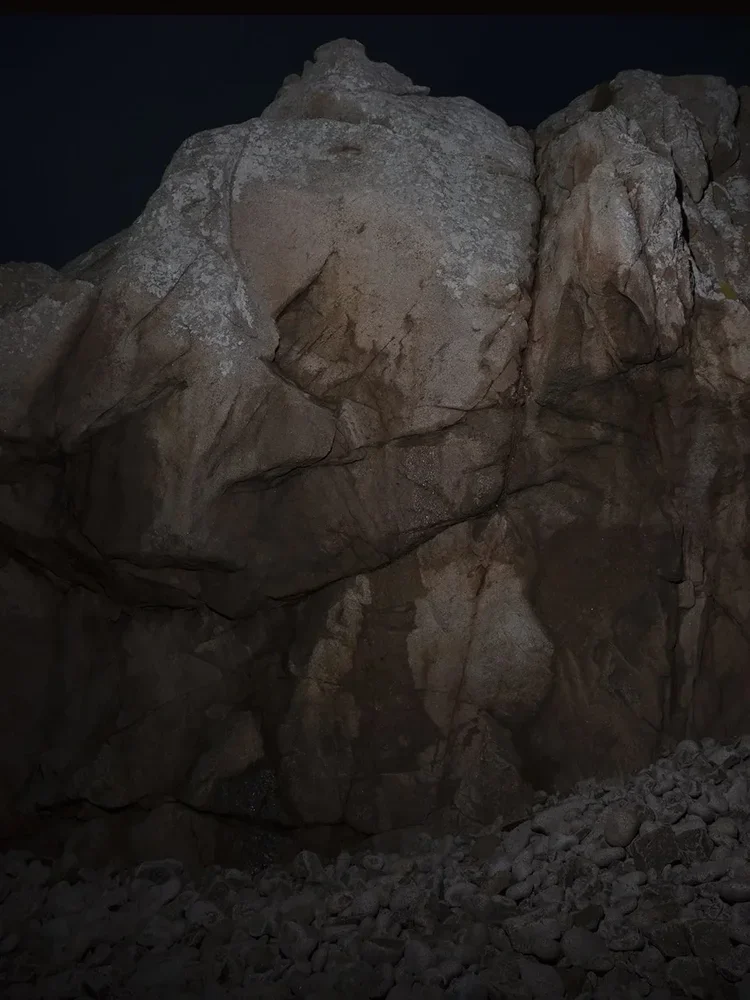
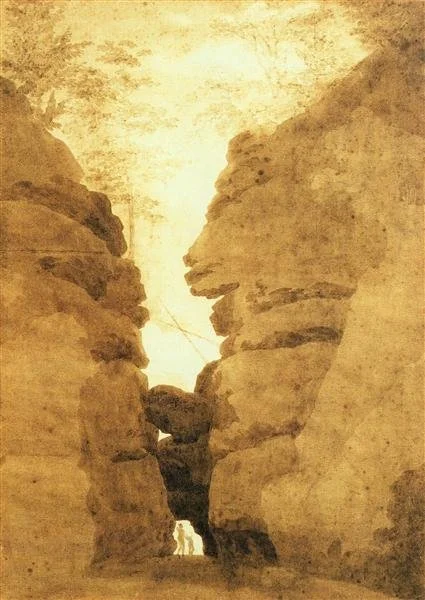
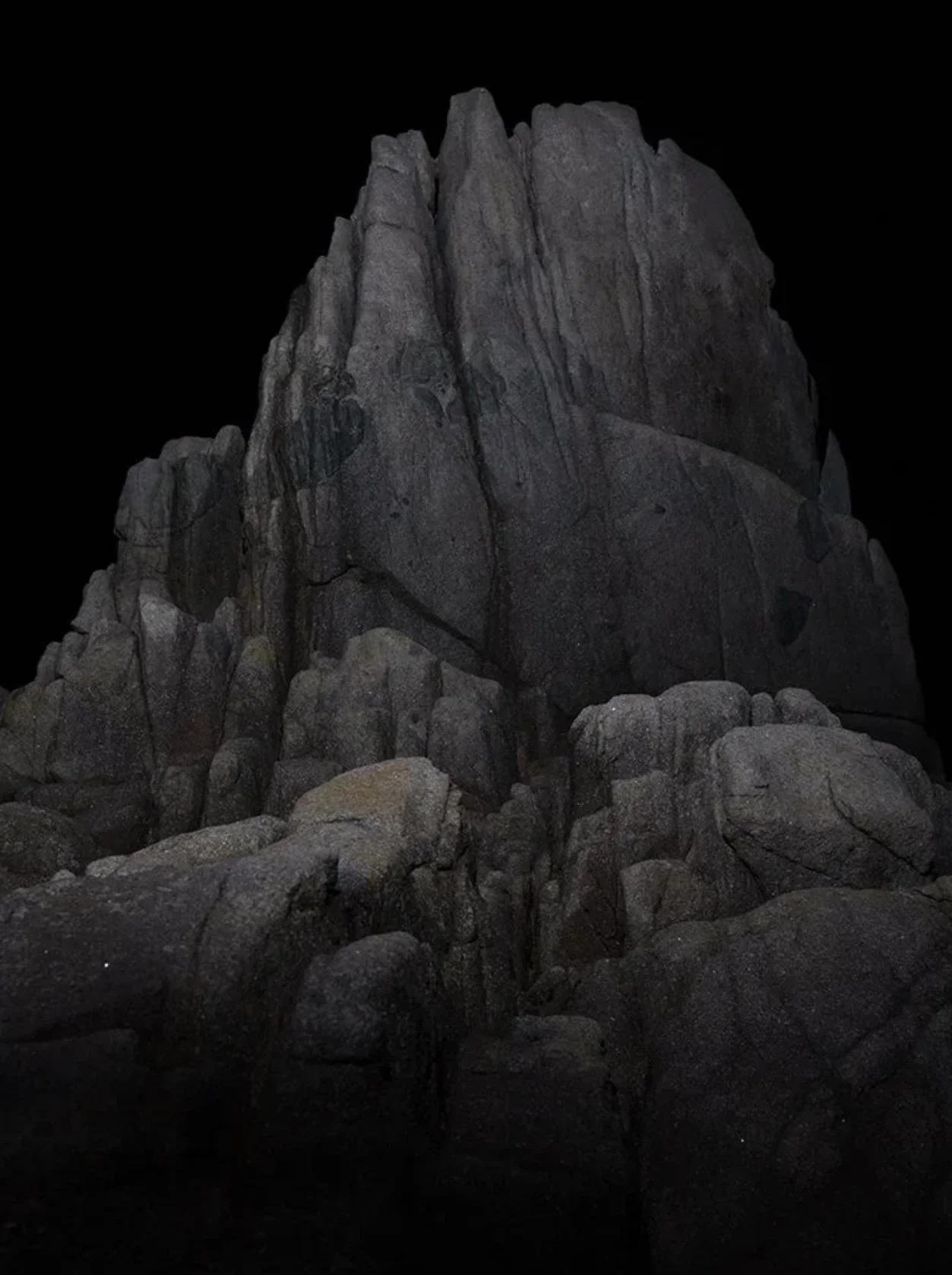
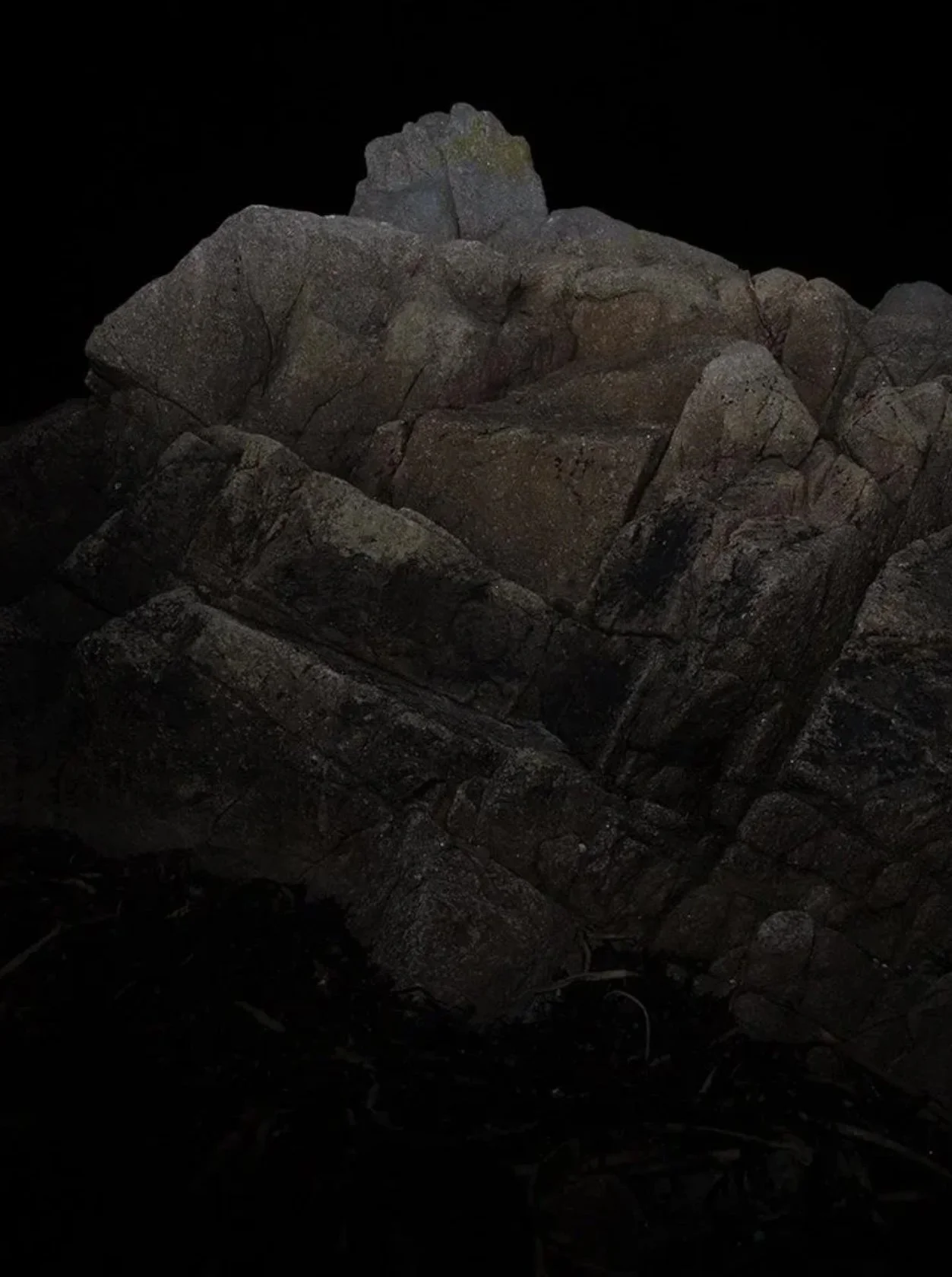
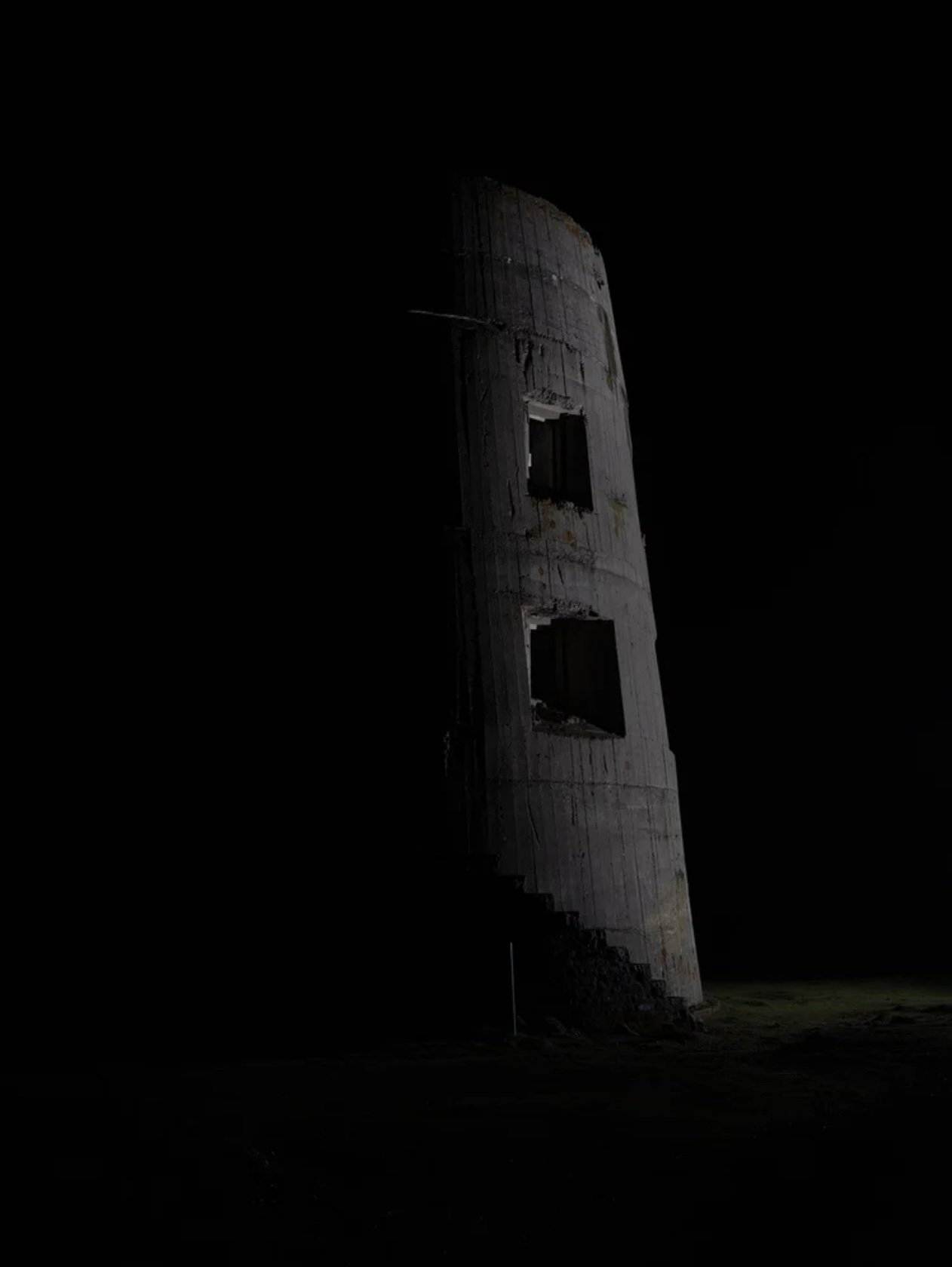
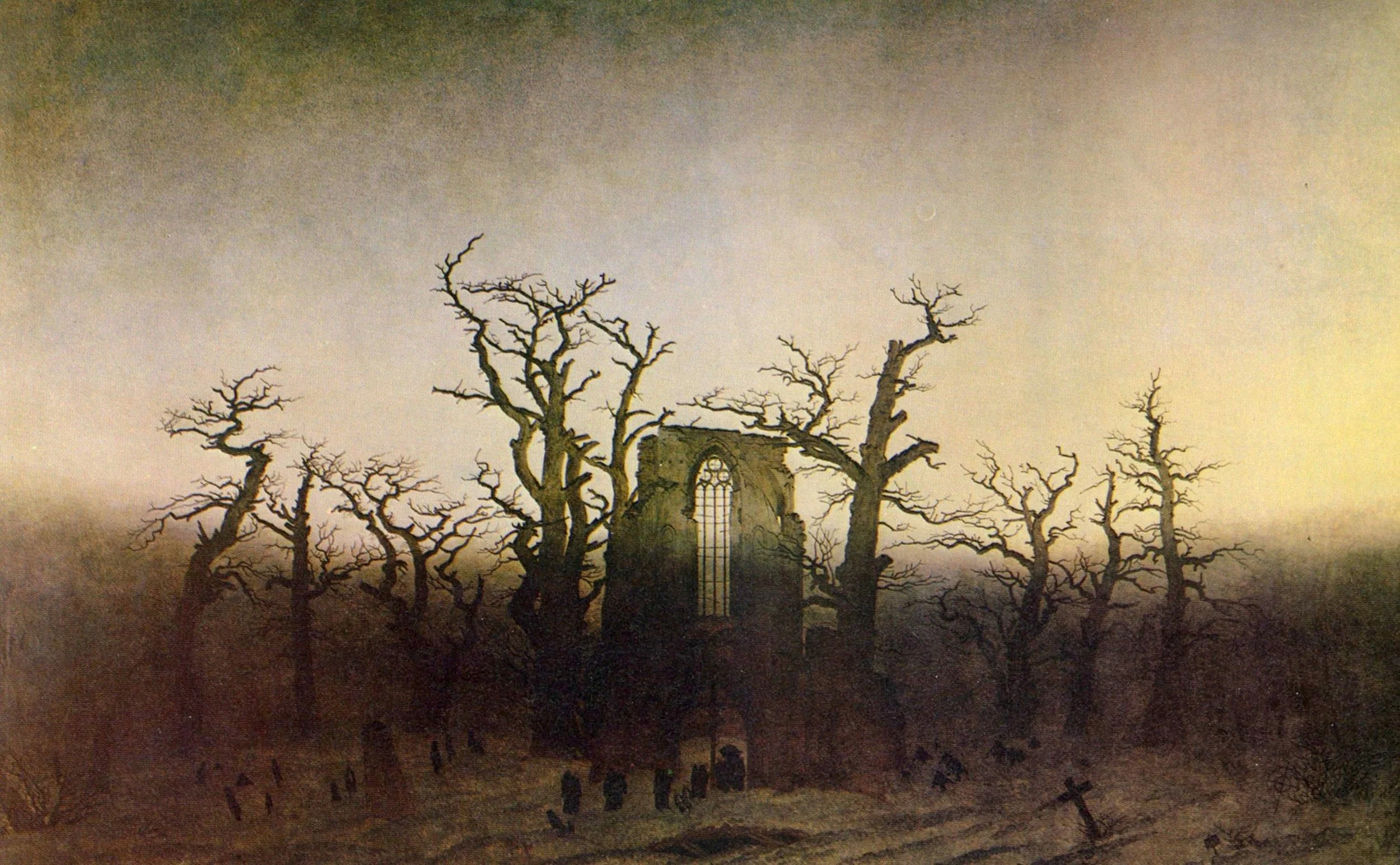
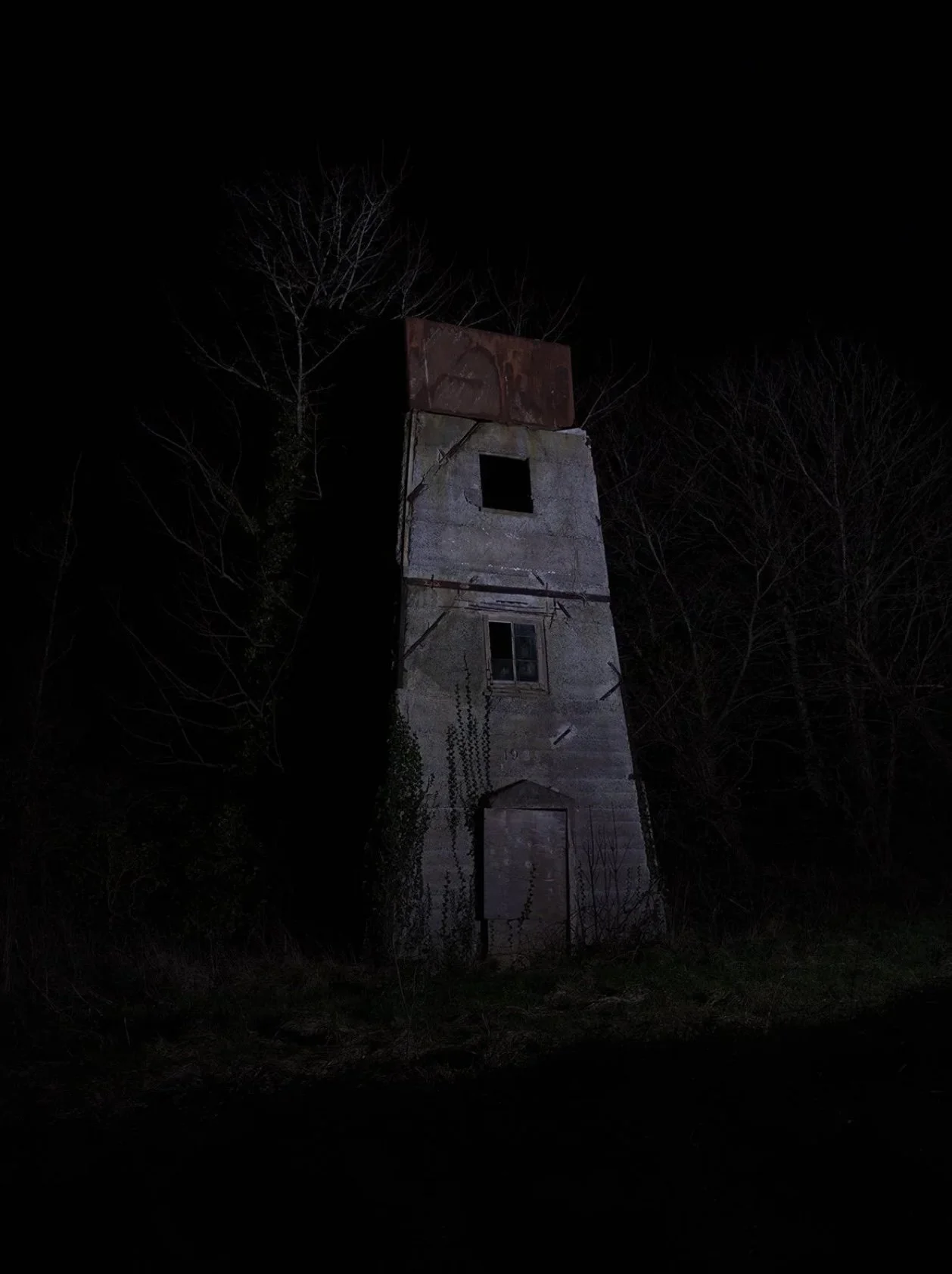
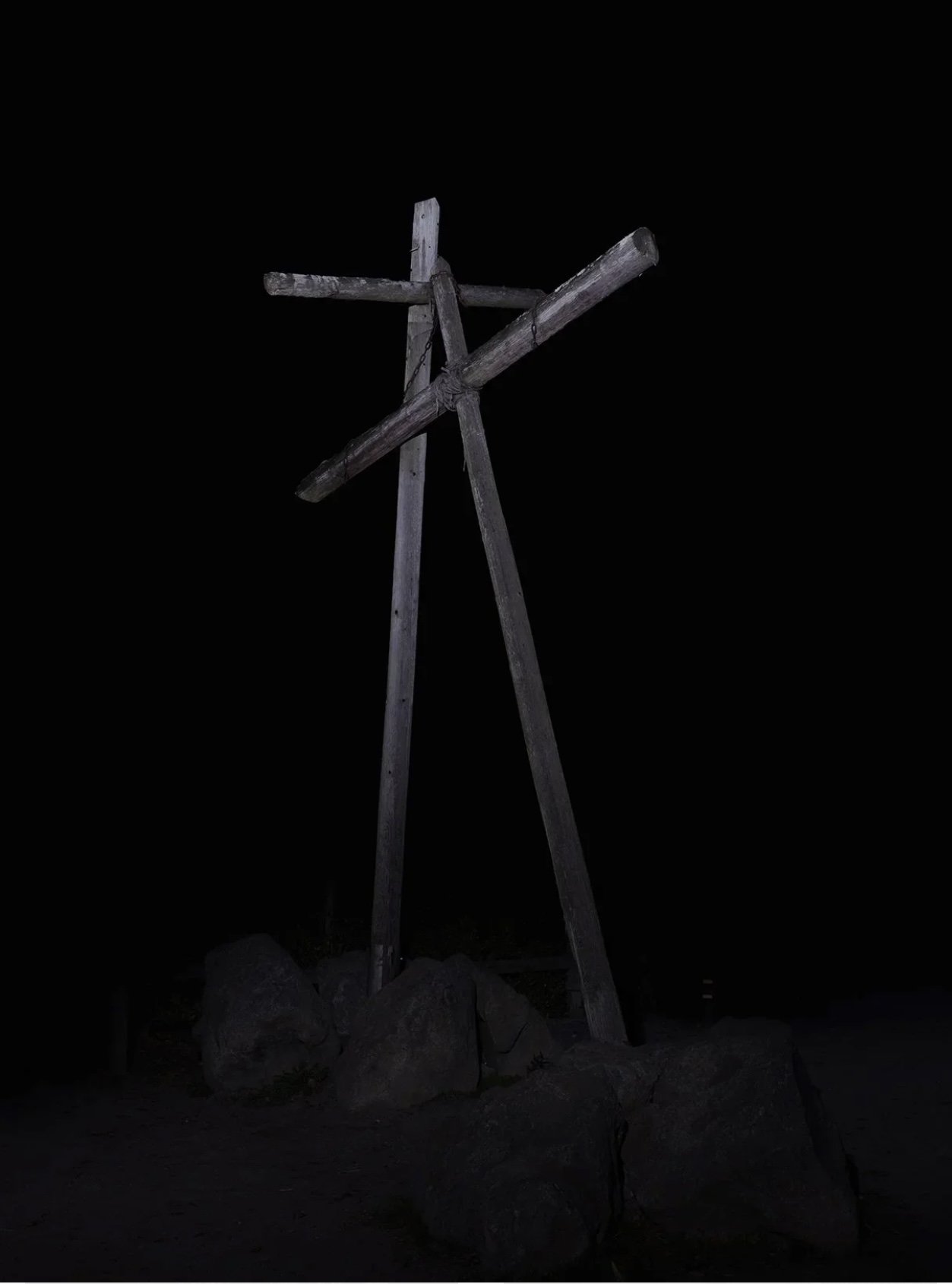
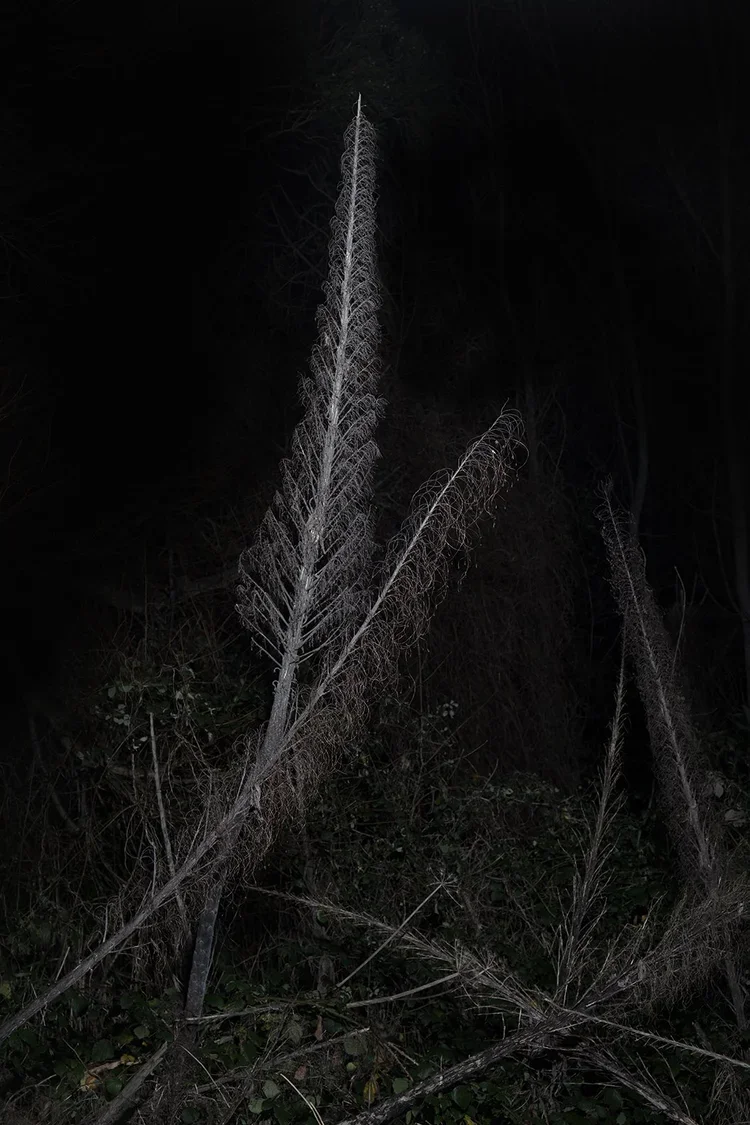
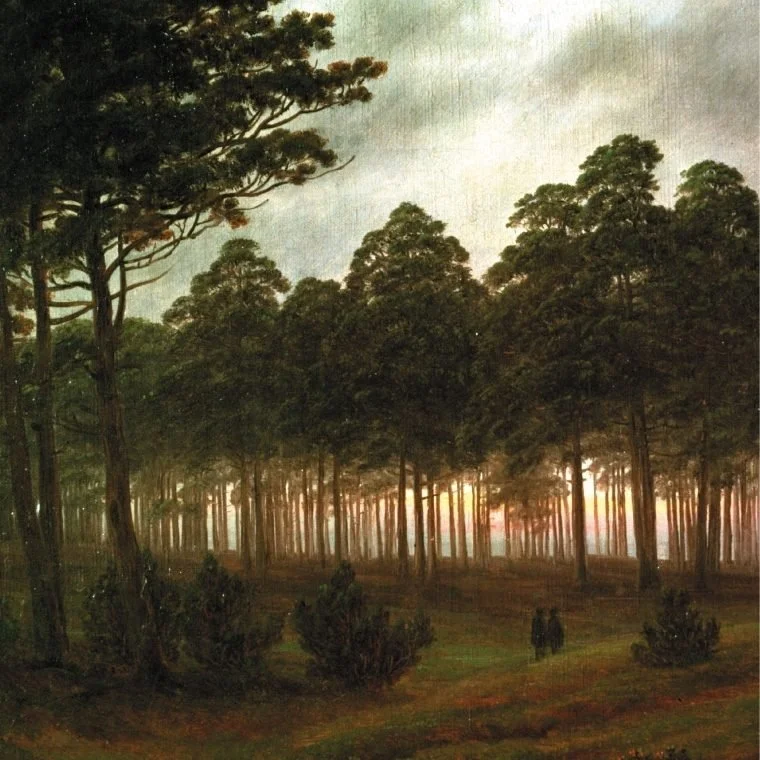
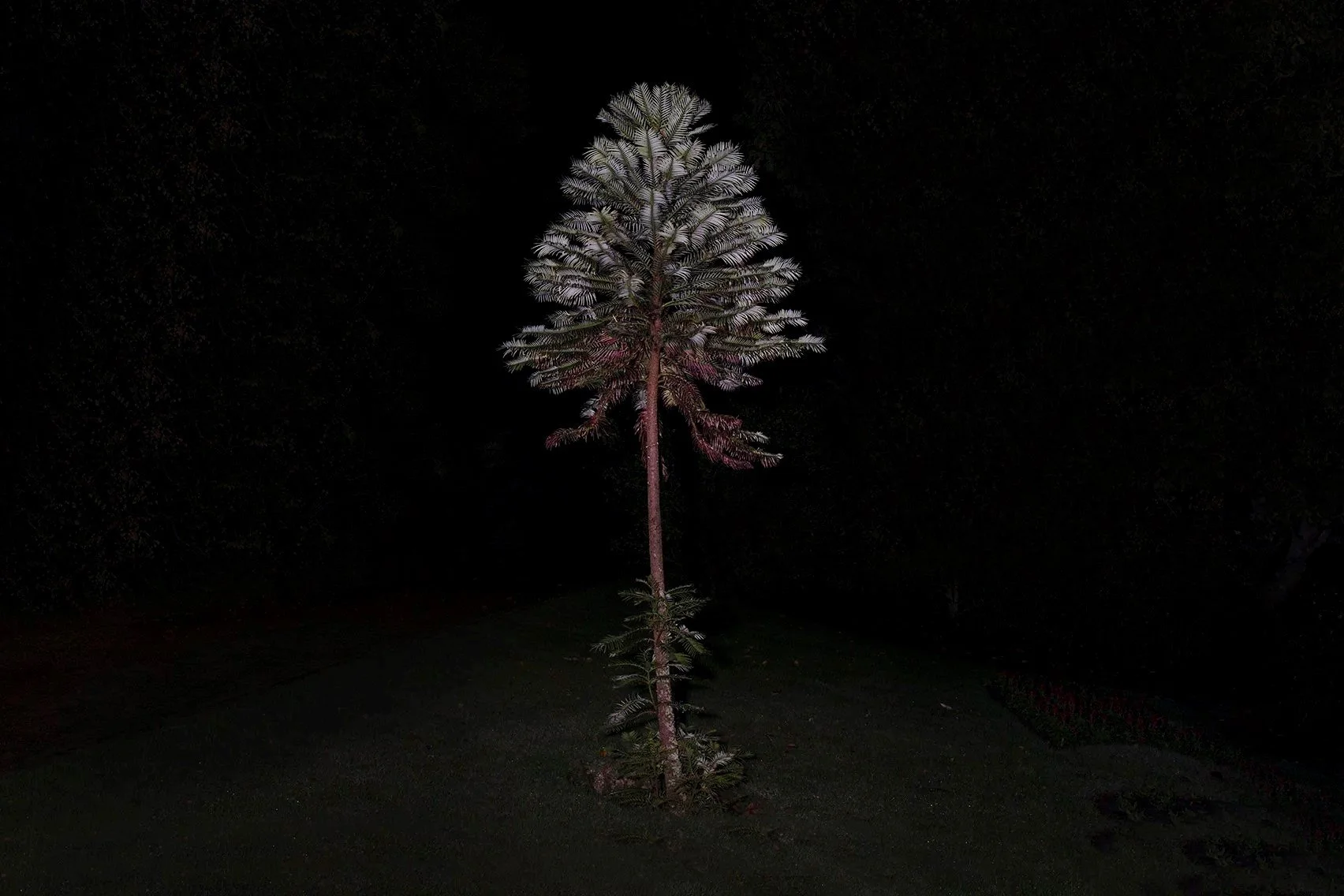
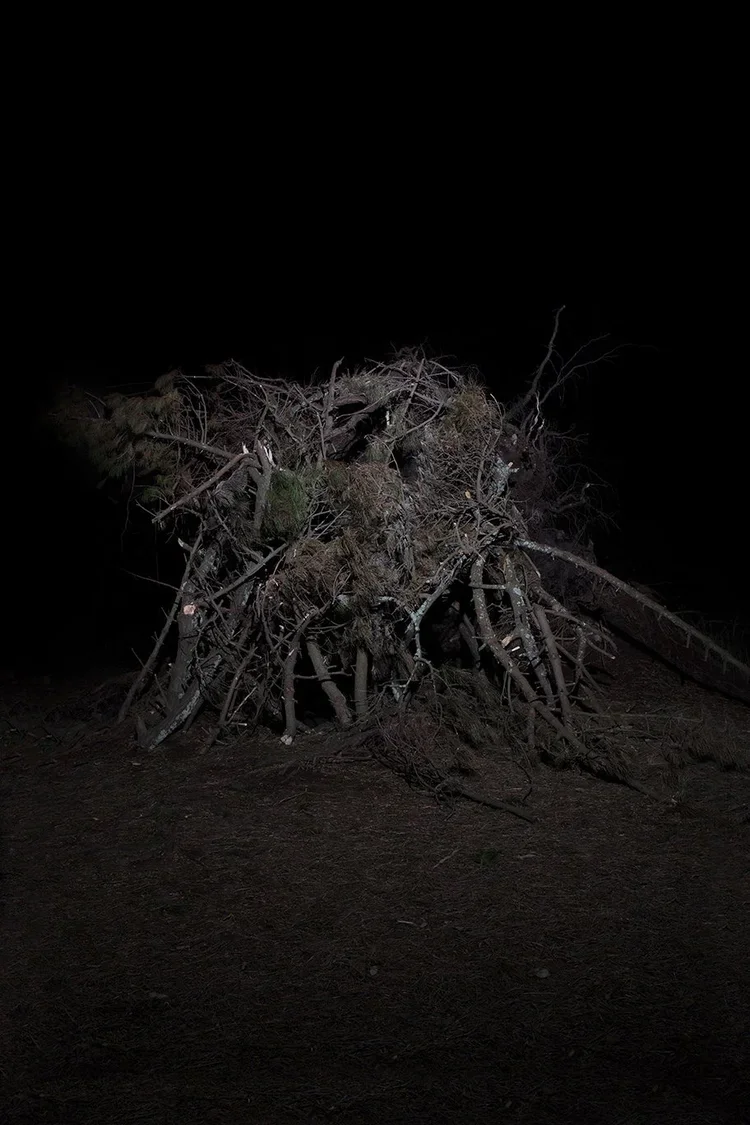
Above - Aaron’s recent photographs interspersed with paintings by Caspar David Friedrich.
Talking last week over lunch, Aaron told me that landscape work has always been a thread running alongside his better known work featuring people. He said:
“It is a natural thing for photography and landscapes and painting to come together. And especially in Guernsey. A lot of people here consider landscapes in Guernsey to be beautiful. And for them, that is what photography captures. Well, see, I don't do that. It's a whole different way of looking at our environment.”
American photographer Joel Sternfeld’s project “Walking the High Line”, is a body of work that resonated with Aaron early on. This shows a derelict railway line and buildings in New York, photographed in the late 1970s. It is a forgotten commercial line of a mile or so in length. Aaron said “The rural had started to take back all the urban land, so they're really beautiful. It's kind of bleakish, but it's how nature's been reclaiming from man.”
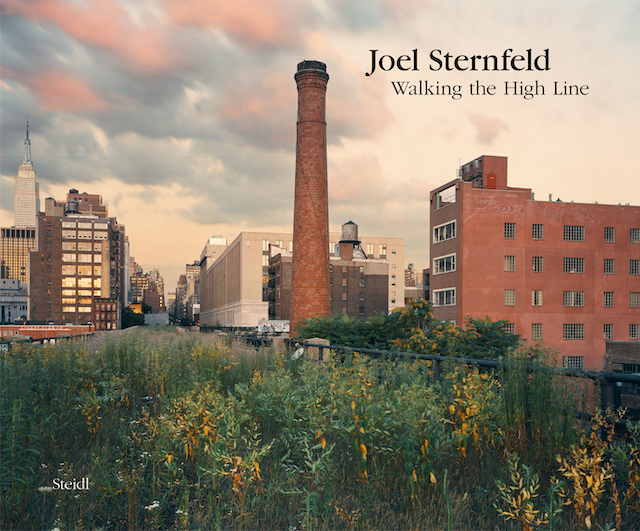
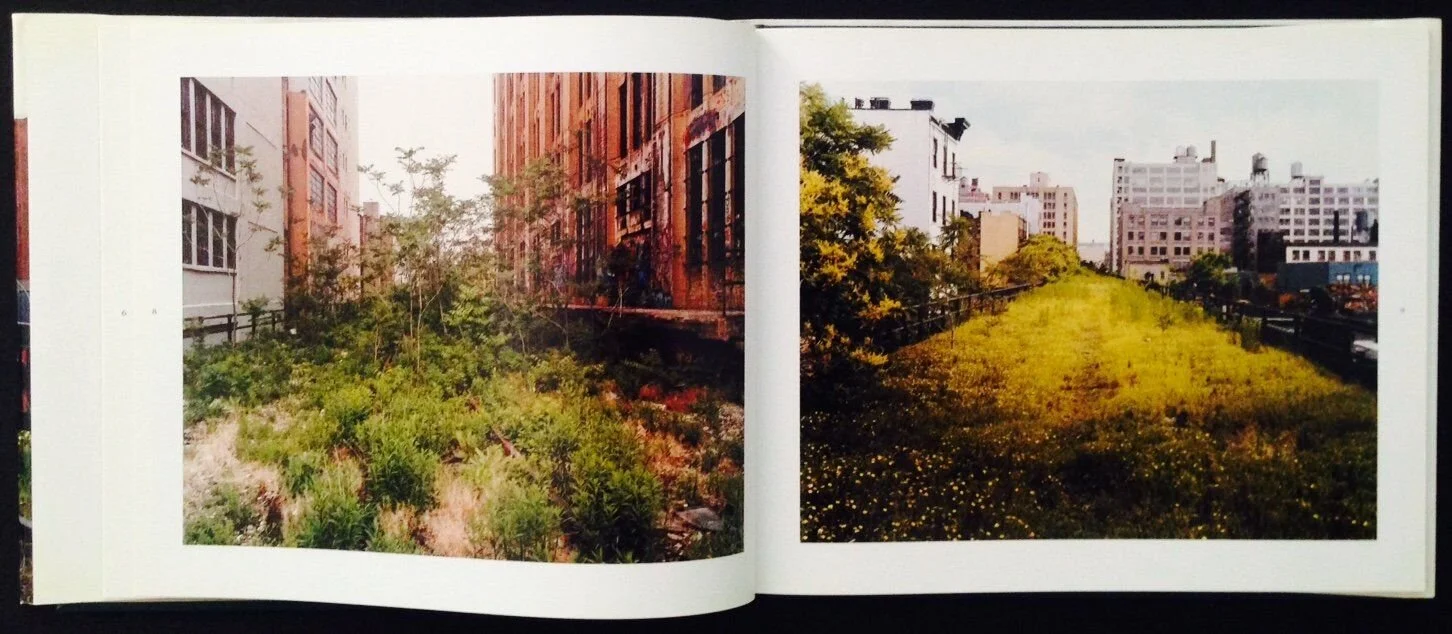
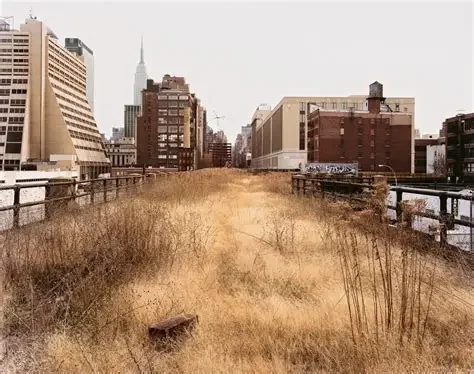
Above - images from Joel Sternfeld’s ‘Walking the High Line’.
The Photographer, Gem Southam’s “The Red River” made in Cornwall in the 1980s, is another of Aaron’s influences. Southam captures the interconnections of industry and a manufactured landscape with the natural world. The Red River was considered to be a real paradigm shift at the time, when working in colour was uncommon, and his compositions and close up angles were very different to the norm. These images though were interspersed with traditional landscape imagery which were influenced by English Romanticism. His work contained the straggling ruins of Cornwall’s tin mining past as they slowly merged with the plant life and waterways.
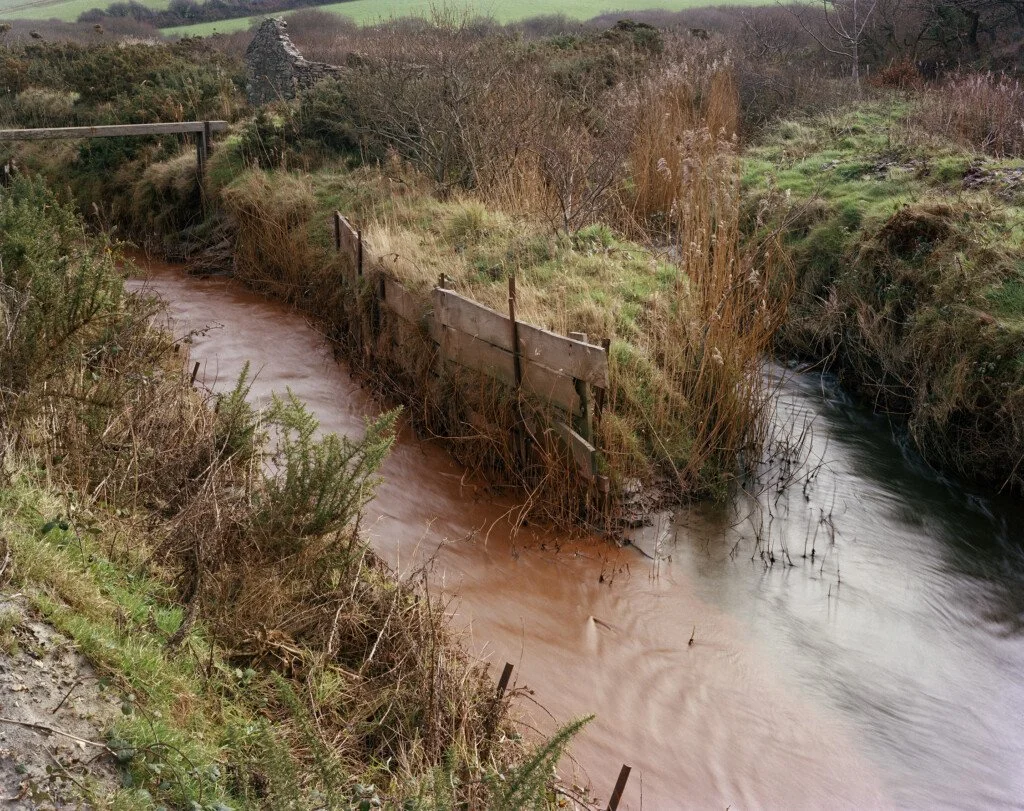
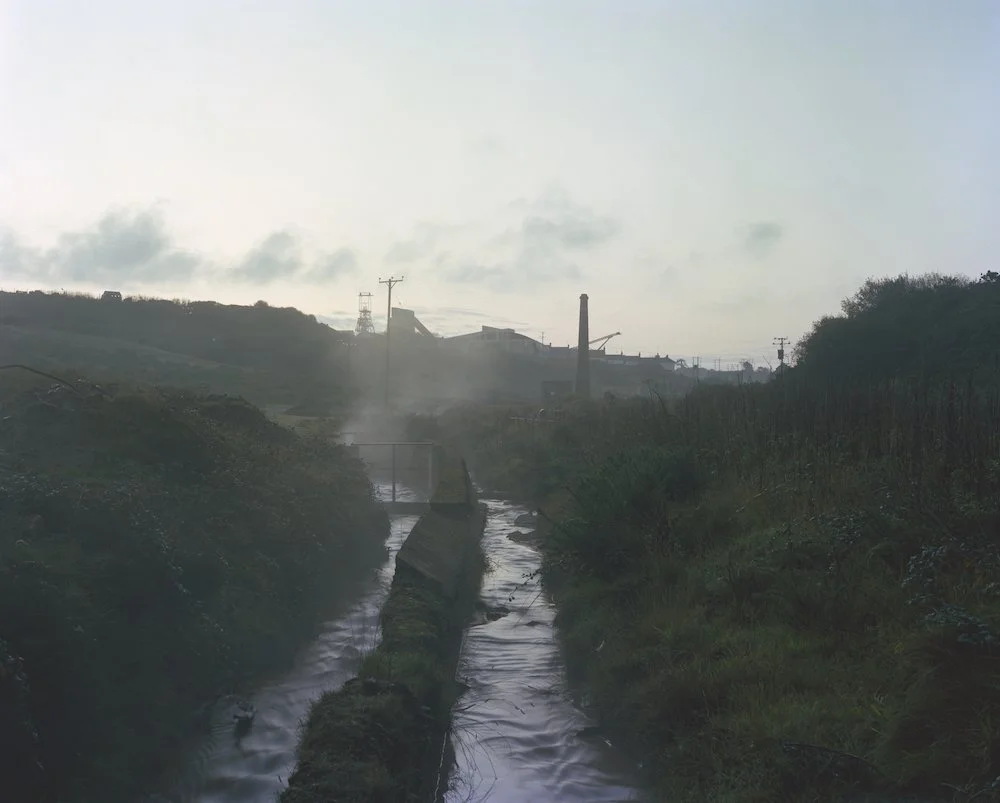
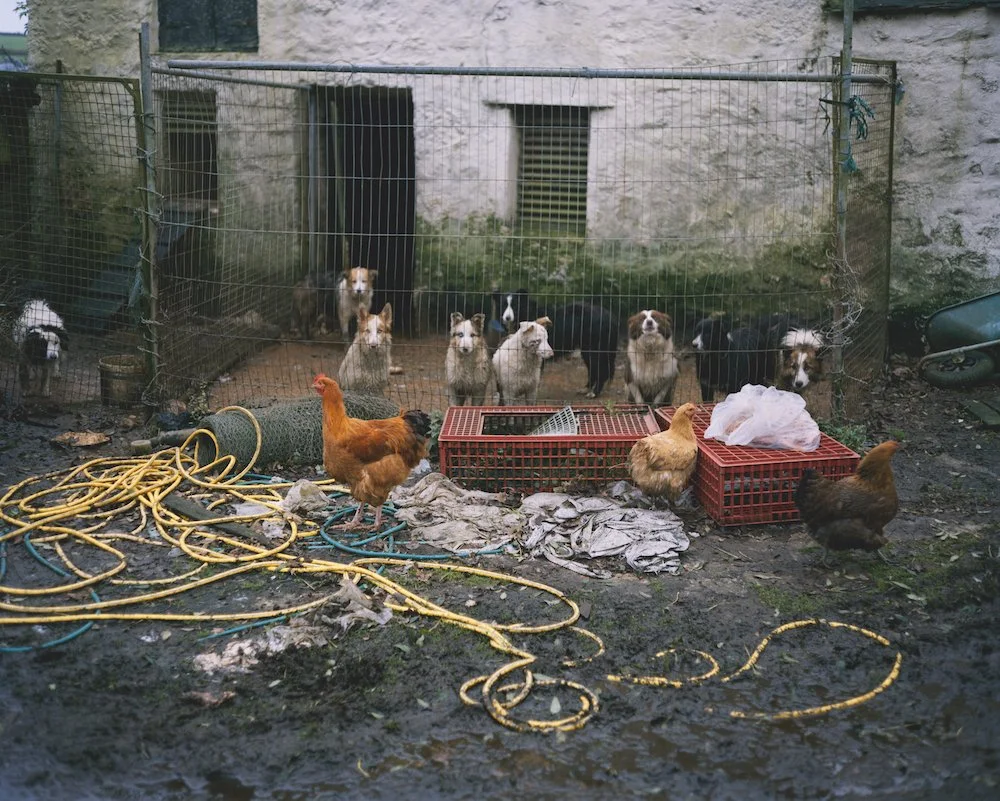
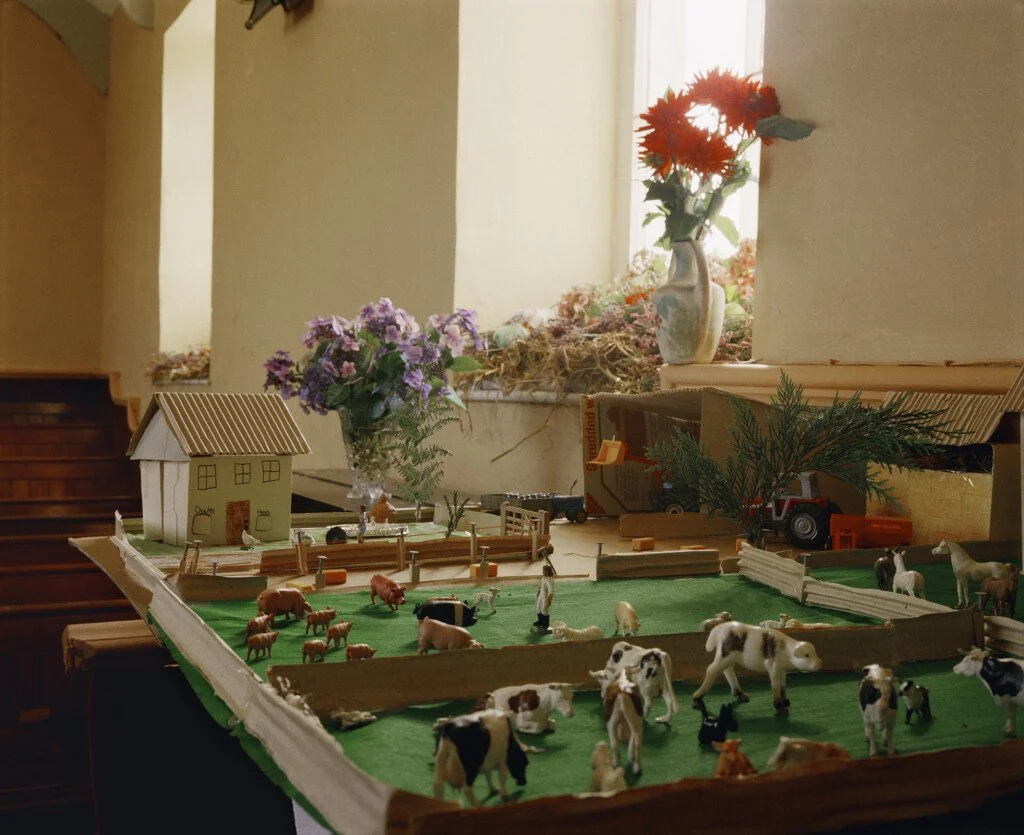
Above - some photographs from Gem Southam’s ‘The Red River’.
“Southam saw the landscape as a confluence of its inhabitants and the valley’s primordial formation and ancient mythologies. The Carboniferous granite, Bronze Age adits, and medieval tales of travellers lost on a winter’s night, stumbling upon a solitary illuminated window exist in harmony within these photographs. The artist explores the concept of history itself in this series, which he sees concentrated within this river and its fern laden banks.
He drew heavily from the Book of Genesis for this project: a tempest over a dark sea, punctuated with white capped waves references God’s creation of light and darkness out of a formless void. Primeval elements of the landscape, foliage and the rushing of the river’s red water, reference the second day of creation. Bucolic idylls juxtapose representations of the despoliation of the Earth and its subsequent regeneration. Southam’s relationship to the English landscape was profoundly influenced by poetry, in particular works by Beowulf, John Milton, and John Bunyan.
Wandering throughout the valley and beside the stream, Southam recalled Milton’s depictions of Paradise, lost and then regained; images like Valley of the Barking Dogs, Brea Adit draw from the apocalyptic imagery of Paradise Lost, while others are akin to the beatitude of Paradise Regained. The photographer saw an allegory in his journey along the Red River that went beyond local history, something universal wrought within all of the valley’s shattered remains and ‘poisonous tang’, as he calls it, its beauties and redemptions.” Jem-Southam-The-Red-River-Press-Release.pdf
…….
Like Southam’s work, Aaron’s landscape series moves from the local to the universal; the sublime to the damaged. Although it fits into the category fine art photography, it also can be thought of as documentary photography.
This cross over in categorisation made me think of Mali Morris’s article on Robert Welch’s paintings, in a back issue of Turps Magazine (Turps Magazine Archive Feature). In this, she refers to the artist/photographer Walker Evans’ wonderful 1964 lecture titled “Lyric Documentary”. Walker believed that the addition of lyricism to the documentary style in photography added greatly to the work. He felt that “the lyric is usually produced unconsciously, and even unintentionally and accidentally by the cameraman, with certain exceptions. Further, that when the photographer presses for the heightened documentary, he more often than not really misses it. ” Walker felt that the term “documentary” “was inexact, vague and and even grammatically weak as used to describe a style in photography,… but it happened to be his style”. Walker Evans Lyric Documentary
In the lecture, he goes back in time throughout art history to define those artists who he views as the antecedents of ‘lyric documentary’, including Leonardo in his medical drawings; William Blake’ engravings illustrating ‘physiognomy’ in a book by Lavater; and Audubon’s glorious ‘Birds’. Walker says: “I find Audubon falls into this category that I call lyric documentary inasmuch as he was setting out to document the birds. At the same time he took such care …But he had a trick of scale which was remarkable that also harkens back to Vasalius who had a way of presenting his subject in a noble, heroic style, and it the background actually documenting, lets say, the waterfront of Charleston, South Carolina …which could have been used by a mariner sailing in there… The plan trying to make it is that this is grounded in the earthy and actual fact. At the same time it gives such a sense of beauty that you grow lyrical, or I do anyway, looking upon it.”
Aaron’s work documents the landscape and our human connection to our environment in a similar way, and, for me, its strength lies in this crossover of the documentary and the lyrical.
…….
It was difficult to select a handful of photographs from the project to discuss as so many are visually impactful. One that drew me from the first time I saw it, is of the menhir that sits in the churchyard of Sainte-Marie-du-Câtel (also known as Notre Dame de la Délivrance).
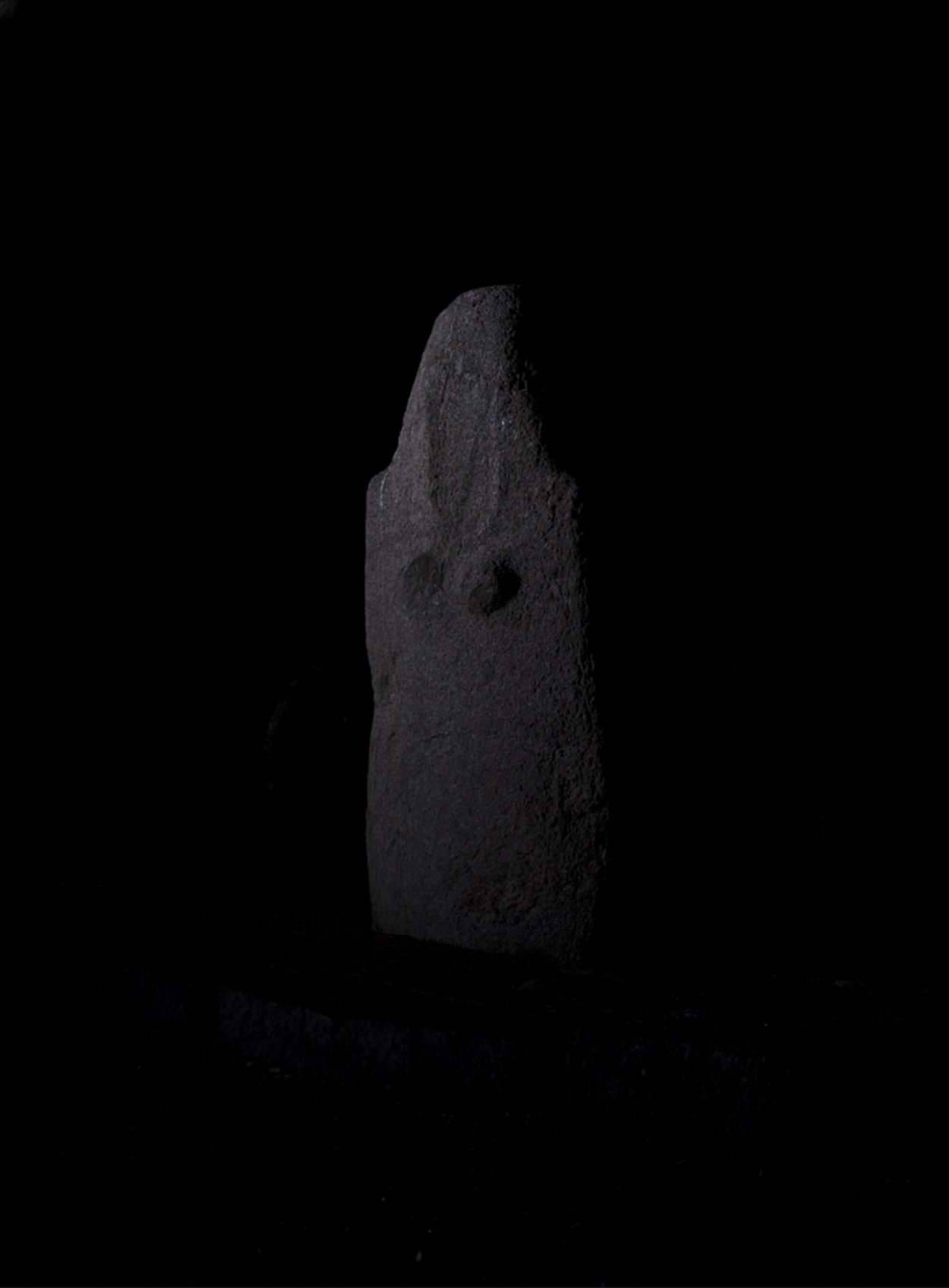
Menhir, Sainte-Marie-du-Câtel church yard
The two metre high figure was found buried within the chancel of the church in 1878, about a foot below the surface. Archaelogists believe this happened in the sixth century when the first church was built on the site. The figure was found with her feet facing the east, in exactly the same alignment as many passage graves. Like the menhir’s St Martin’s cousin - La Gran'mère du Chimquière, the Castel menhir has also suffered damage. Its right breast has been chipped off, though it is not known whether this occurred when the statue was lifted from the chancel floor or whether it was done on purpose as a Christian rebuke to paganism of the past.
Although the breasts might indicate that the figure depicts a woman, menhirs were often masculine. They were placed at natural energy centres such as hilltops, headlands and carns in order to endow these sites with a sense of ‘placeness’. Neolithic people seemed to understand the significance of symbolism and create narratives around the magical qualities of the landscape. Menhirs, particularly those with anthropomorphic features were created as symbols of fertility sometimes involving rituals to bring about good harvests or childbirth; to ‘fecundate’ the earth, which was perceived as the feminine.
Most photographs of La Gran'mère in St Martin’s tend to sentimentalise the figure, which has carved curled hair. She is often presented with a garland of wild flowers crowning her head as a celebration of the spring growth. Aaron’s figure of the Castel Menhir emerges softly from the dark. It’s face is unreadable in its inscrutability, and the outline around the neck area could be perceived as a necklace, or perhaps even a long beard. The minimalism of the imagery highlights the texture of the granite stone and the slight curve at waist height is suggestive of human form, if not of gender. There is a comfort in the inky blackness of the image which somehow gives a sense of the dark unknowability of the past and the person or people who crafted the figure.
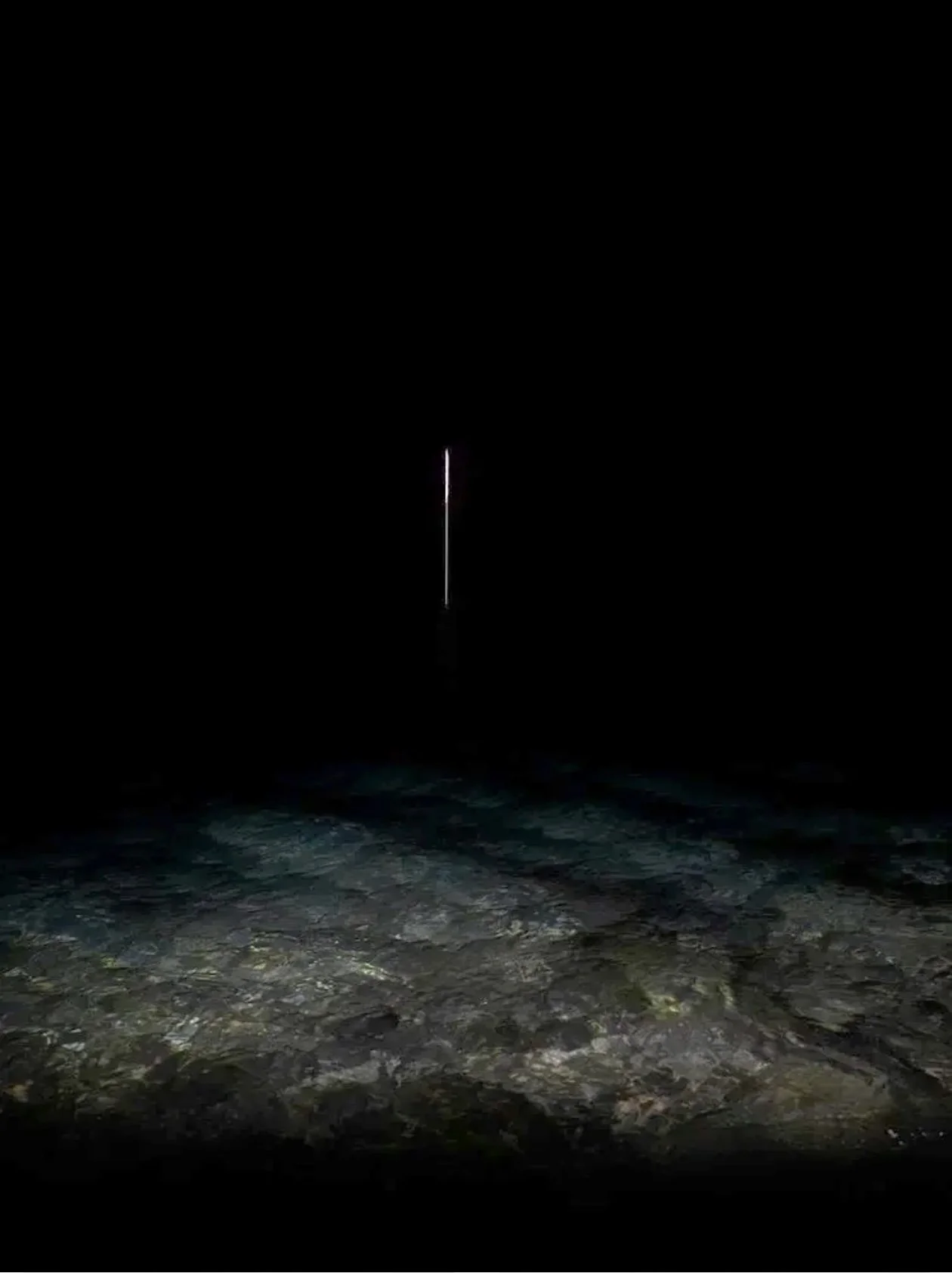
The second photograph (above) was initially shown as part of the Exile and Return exhibition in May 2025. It was one of six that were printed on aluminium and held upright against gravestones in St Pierre du Bois churchyard. Walking around this site before the private view with some of the exhibitors, most of us found this image both unsettling, and unfathomable in terms of its geography.
Imbued with melancholy, or possibly menace, it appears to show a vertical structure or shard of light glinting sharply out of the middle ground like a stainless steel needle. The foreground depicts shallow water flowing over an uneven grey-green surface of boulders, rocks and cement. As with many of Aaron’s photographs, it is really difficult to work out the size of the objects depicted, the scale, or the distances between the elements.
After many wrong guesses, he told us that the structure was the pole at the end of Rousse breakwater. This is a working pier on the north west coast, used by fishermen to land their catch. In the winter months it is frequently battered by storms, but is a popular year-round site for swimmers, particularly when the tide is at a point where the pier is fully or partially visible. In the dusk it is a common but eerie sight to see figures appearing to walk on water as they wander the 500 or so metres out to the pole at the furthest tip of the pier.
The photograph feels uncanny due to the clarity of the pole, which is often blurred by a shrouding of mist (or my short sightedness when swimming without my glasses). The shallow water swirling gently in the foreground and the way the object is lit makes it seem much closer to shore than it actually is. It appears almost spectral and otherworldly, but leaves a hazy sense of disquietude and apprehension.
Like a lightning rod within Walter de Maria’s “The Lightning Field” the pole seems to radiate immense energy. But unlike De Maria’s sprawling Minimalist sculpture, it feels singular and symbolic - a hermetic icon which has an unknowability that feels almost religious or spiritual in nature. While it is revealed here like a sudden lightening strike, the viewer has a sense that in its revealing, there is an impermanence. By dawn it will likely have faded - a half-remembered dream that lies just outside memory’s grasp.
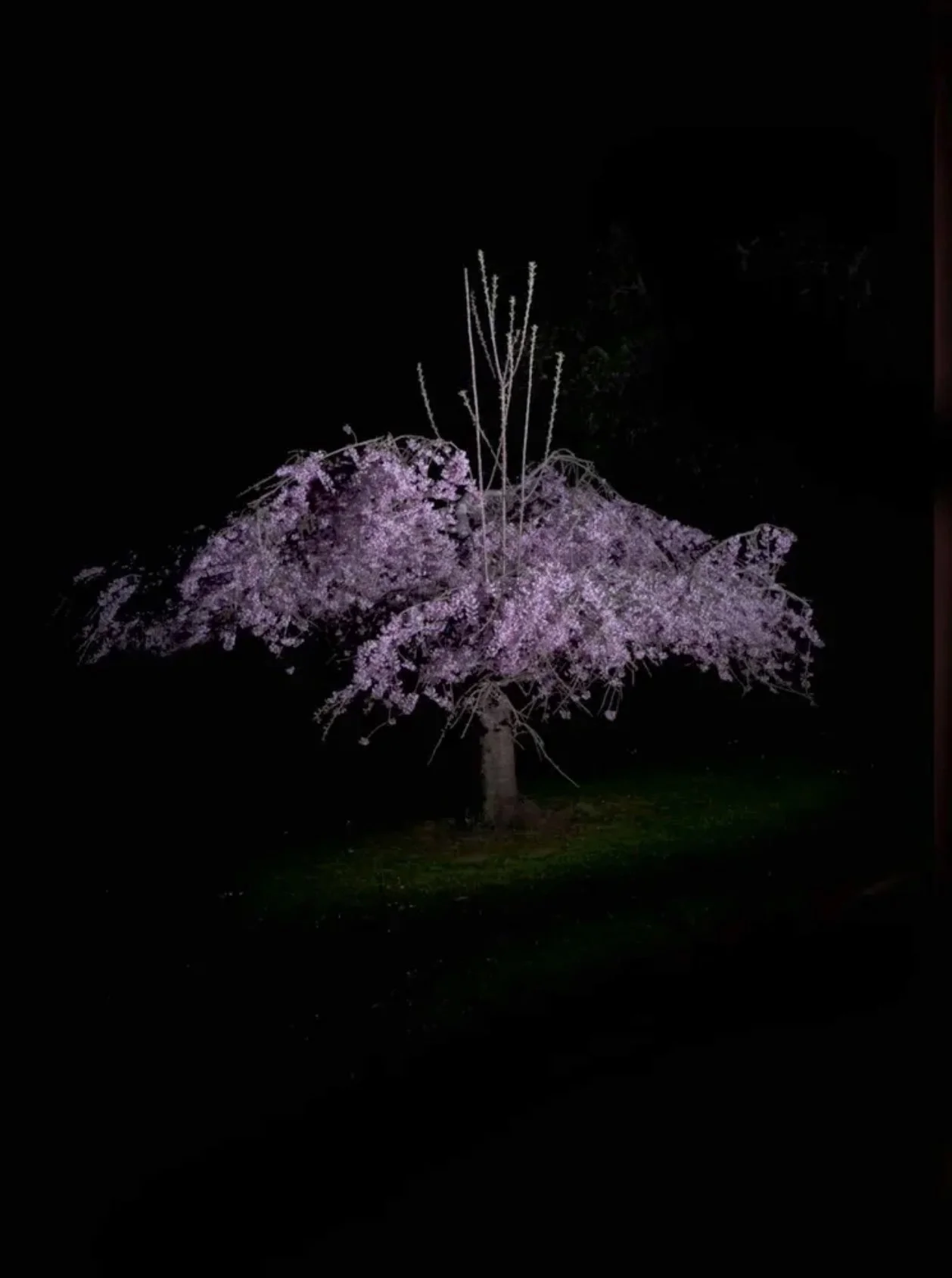
Magnolia Tree
In the last few years, Aaron has displayed a number of images of magnolia trees that are common features of local parks and town house gardens - exotic splashes of colour brightening the dark months of February and March. Being further south than the UK, we rarely experience snow or long periods of frost so the trees have flourished, becoming sturdy, gnarled and ancient in many of the grand Georgian front gardens around St Peter Port.
Aaron’s earlier magnolia photographs seemed miraculously symmetrical. The magnolias’ fuchsia or white waxy petals glowing softly out of the dark depth of the gardens, their graceful outline indicating tight manicure over many decades.
The tree above fills me with joy. Like an anarchic dancer breaking free of the rigidity of classical choreography, its sharp upwards sprouting movement calls out to be noticed above the delicate pink curves of its tutu, frayed netting trailing towards earth as movement slows to a final flourishing bow.
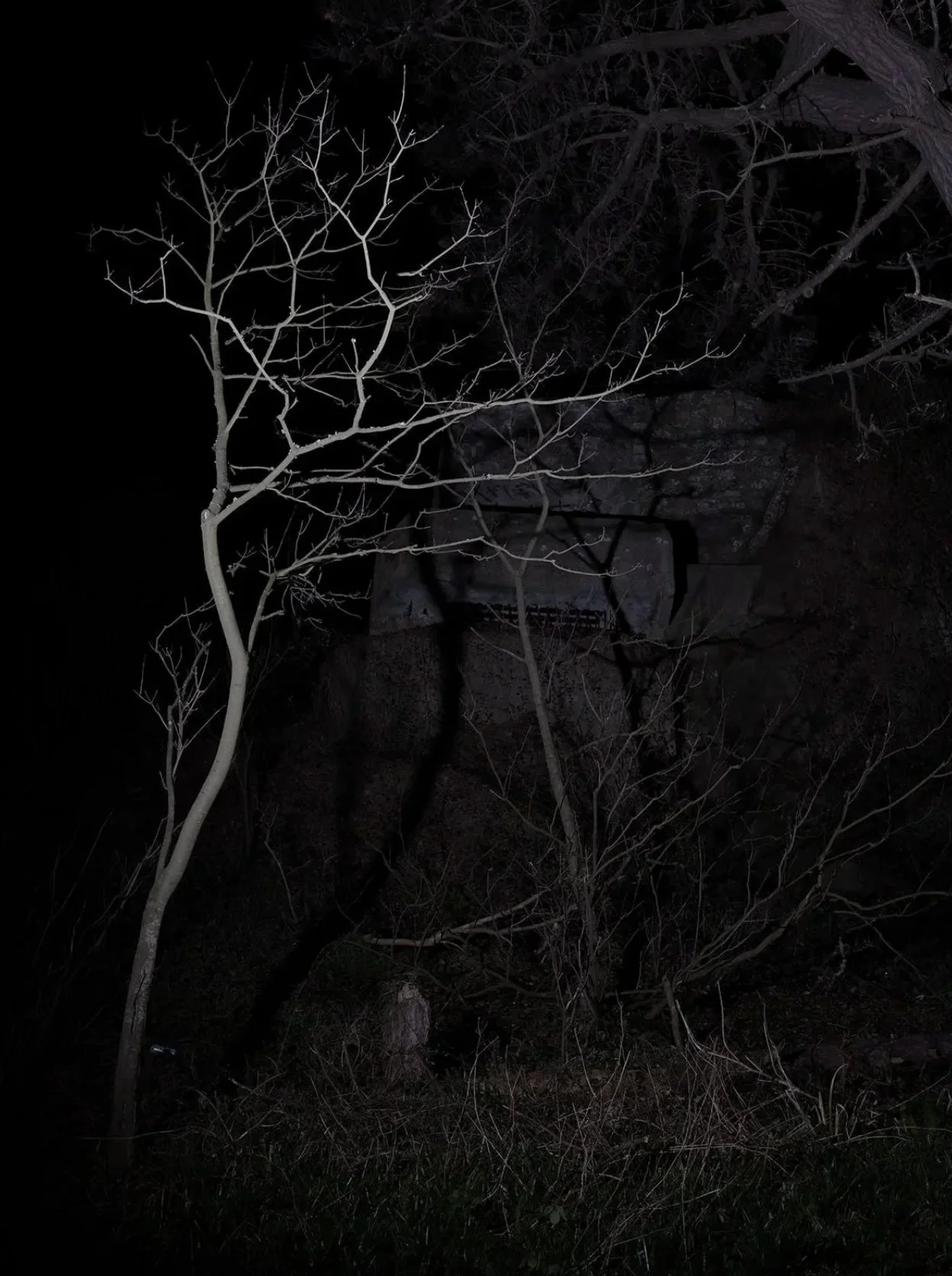
The Watch House at the Guet
The final image that I have chosen is the high precipice on which the Watch House at the Guet sits, with the later edition of WWII German concrete fortifications below. The fine tracery of a wispy sapling is picked out by Aaron’s lighting which throws a dark shadow on the granite and reinforced concrete cliff face behind.
All of Aaron’s work is shot in colour, but with the exception of a few works like the magnolia tree above, many viewers mistake these works for black and white photography. Because of the minimal colour, the work relies on strong composition and tonality for its impact.
I am particularly drawn to the more complex and less centrally-focused landscape images like this one. Its impact seems to grow the longer one sits with it. The eye is drawn from bottom left, up and across the image to the top right, then slowly across to the top left moving down and inwards into the receding gloom. Its power seems to be in the contrast of ancient and new; nature and the manmade; and the monumental and the ethereal.
In slowly absorbing and unravelling the image, this exploration seems to enrich the experience of viewing. While its meaning feels manifold, only a trace seems to be revealed - the key to unlocking it seems tantalisingly just beyond the viewers grasp.
Walter Benjamin stated: “Language has unmistakably made plain that memory is not an instrument for exploring the past but its theatre. It is the medium of past experience, just as the earth is the medium in which dead cities lie buried. He who seeks to approach his own buried past must conduct himself like a man digging. [...] For the matter itself is merely a deposit , a stratum, which yields only the most meticulous examination of what constitutes the real treasure hidden within the earth: the images, severed from all earlier associations, that stand—like precious fragments or torsos in a collector’s gallery—in the sober rooms of our later insights. True, for successful excavation a plan is needed. Yet no less indispensable is the cautious probing of the spade in the dark loam, and it is to cheat oneself of the richest prize to preserve as a record merely the inventory of one’s discoveries, and not this dark joy of the place of the finding itself." Selected Writings: Volume 2: 1927-1934, ed. Marcus Bullock and Michael W. Jennings (Cambridge: Harvard UP, 1999), 611.
Aaron’s landscape photography calls on memory to try to make sense of today’s complex and troubling world. As Benjamin distils so well in his beautiful writing, neither history or memory are fully graspable or fixed entities. By exploring place through art practice, individual and collective memory can activate the past in new ways; through looking, conversations, fragments of recollection or reinterpretation of archival material. These connect us through the constellation of moments in our memories that slip and slide into brief focus through the observation of an artwork.